


This is the Arango DB pitch deck to raise a $10m series-a round in 2019 from Bow Capital.
About
An open-source database with a flexible data model for documents, graphs, and key values. Build high-performance applications using a convenient SQL-like query language or JavaScript extensions.
Database software is a long-established market in the tech industry, but Claudius Weinberger was still able to find a new niche within it.
A big trend in the database market over the last 20 years or so has been the move away from traditional so-called relational databases. Those are the ones popularized by Oracle and are typically represented by tables filled with columns and rows of data. They’re also frequently known as SQL — or structured query language — databases, so named for the coding language used to search them.
Instead of focusing on tables of data, the newer, NoSQL databases focus on the relationships among different bits of data, or on organizing data in the form of virtual documents. The NoSQL databases offer advantages over their predecessors, particularly in being able to efficiently handle the vast amounts of data companies were now collecting in the post-iPhone era.
But they also had a big drawback. Each kind of data is organized differently. To find data within them, programmers had to learn different kinds of query languages for each one. Weinberger foresaw that managing all of that data, across all of those different types of databases, was going to become a major headache.
“We will see a lot of companies struggling with all the different products they have in place,” he said he thought at the time.
ArangoDB Offers Three Databases in One
Weinberger’s epiphany led to ArangoDB, a new kind of database that he started as a project in 2012 and then built a company around two years later. ArangoDB was one of the first so-called multi-model databases. It natively supports three of the major kinds of NoSQL databases — graph databases, document databases, and key-value databases.
Perhaps more importantly, it allows programmers to search across the different kinds of databases it supports using the same querying language: A homebrewed variation on the ubiquitous SQL, called ArangoDB Query Language, or AQL.
So companies can just use ArangoDB instead of managing three different kinds of databases from three different vendors. Programmers only have to learn one query language to search it — a language that’s based on the SQL they are likely already familiar with.
“That makes it much easier,” Weinberger said in a recent interview with Business Insider. He continued: “It’s a solution to handle many different use cases.”
Combining the different databases and allowing users to search across all of them also allows ArangoDB to be used in new ways that just can’t be done with older, separate ones, he said.
“That is the main point of ArangoDB and why we built it,” he said.
Weinberger was something of a trendsetter. Many other companies, including industry stalwart Oracle, now offer what they call multi-model databases. The difference is that few of them natively support multiple database formats, Weinberger said. Instead, they typically start with one kind of database and bolt on to its support for other kinds, he said. The problem with that is that they generally don’t allow users to search through the various databases using only one query language, he said.
“There’s not really one native multi-model database like ours on the market,” Weinberger said.
ArangoDB operates on a freemium model. Its core product is actually available as open-source, meaning users can download, modify, and redistribute the software as they wish. It offers extra features and technical support for an annual fee, pitched to larger businesses who want to put the software to work on larger scales.
ArangoDB is Making a New Home for Itself in San Francisco
Many companies have bought into Weinberger’s vision. Some 500 companies and other organizations around the globe use ArangoDB, largely for application development. Numbered among its customers are some of the biggest companies in the world, as well as Airbus, Barclays, and Thomson Reuters.
ArangoDB has also started to win favour among investors. In March, the company raised $10 million in a Series A funding round that was led by Bow Capital. It’s now raised some $17 million in total.
The 55-person company is using the new funds in part to relocate its headquarters from Cologne, Germany, where Weinberger founded it, to San Francisco, so that it can have a bigger presence in its most important market, the US. While ArangoDB is keeping its core software development team in Germany, it’s building out other teams in Silicon Valley, including sales and marketing and human resources.
It’s also using its new funding to continue developing its database software.
Weinberger intends to “build the product to build the product to the next level … so that we can add to the product what we are thinking about.”
Funding Rounds
| Announced Date | Transaction Name | Number of Investors | Money Raised | Lead Investors |
| Mar 14, 2019 | Series A – ArangoDB | 2 | $10M | Bow Capital |
| Jun 29, 2017 | Seed Round – ArangoDB | 1 | €4.2M | Target Partners |
| Nov 24, 2016 | Seed Round – ArangoDB | 1 | €2.2M | — |
| Feb 10, 2015 | Seed Round – ArangoDB | — | €1.9M | — |
Slide by Slide Review

Don’t bother adding confidentiality to a slide.
The description is a bit of a tongue-twister.
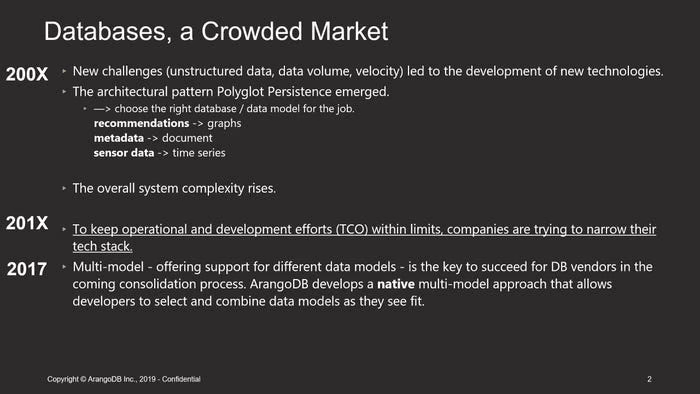
OK cool, they’re starting with what I call the industry section. This is something pretty much no one does or at least well.
It is something that I came up with but well, some people do it normally.
Now just because there is an industry section doesn’t mean that people do it well.
Look at this dumpster fire of a slide. Do you want to read it all? Nope, neither do investors.
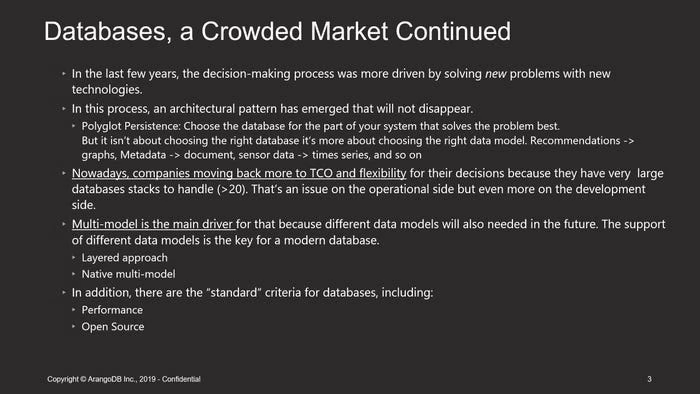
My winky has shriveled once again faced with this wall of text. It doesn’t matter if the content on a slide is interesting, what matters is that people read the content.
Also, the headers of this and the previous slide are rubbish. You shouldn’t need to continue a slide.
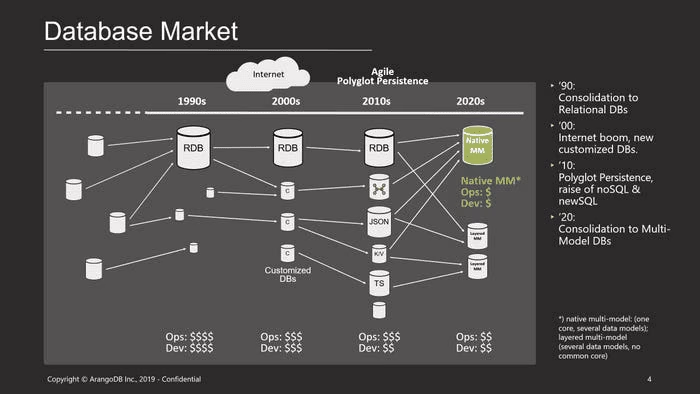
Ok, the founders are technical. I personally can’t look at this quickly and go “Oh yeah, I see what is happening”. I’m sure any proper nerd would. Eh, actually it’s not all that complicated, but maybe the founders just aren’t making a point- you know the ‘so what?’ one.
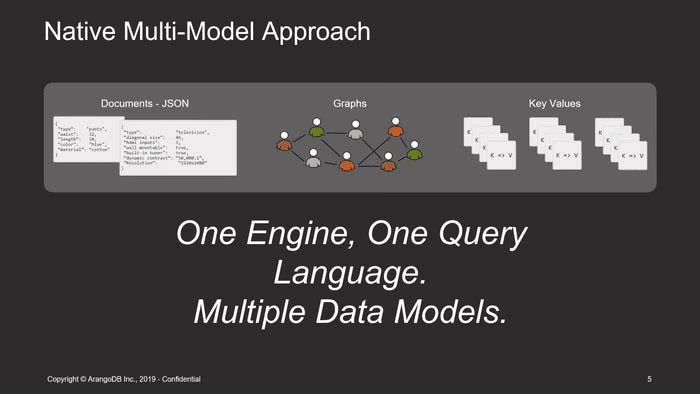
Crappy title.
Wow, the text in the body is far too large! The image set is a bit of a mess.
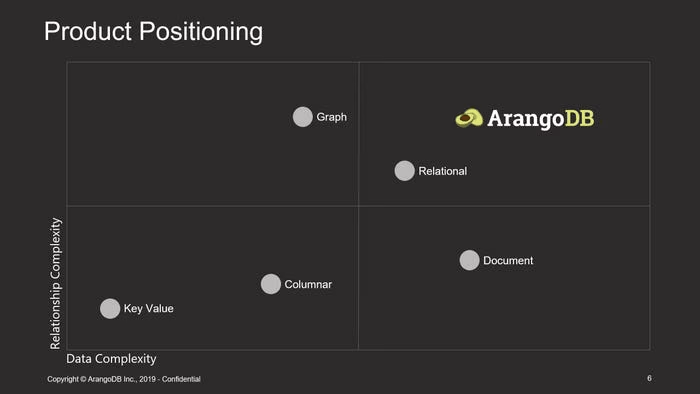
What, this deck was done in 2019? It looks too ghetto for that.
The founders have decided they are raising from more technical investors and the deck reflects that fact.
There is just a lot wrong with this deck, but TBH, I bet the founders are total nerds and likely have some grey hair so investors won’t give a toss. They will care about the discussion in the meeting.
The founders are clearly crap at making decks but it’s sort of clear they aren’t morons. Sometimes normal rules don’t really apply.
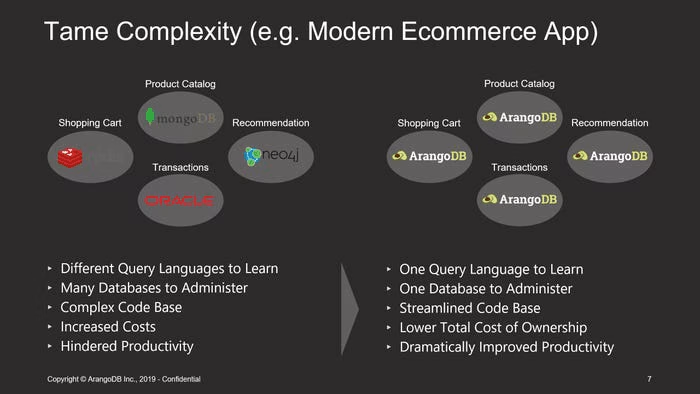
I’m such a tech philistine I’m not sure if “Tame Complexity” is a tech term or literal 😉 lolz.
Compared to other slides, this one is ok.
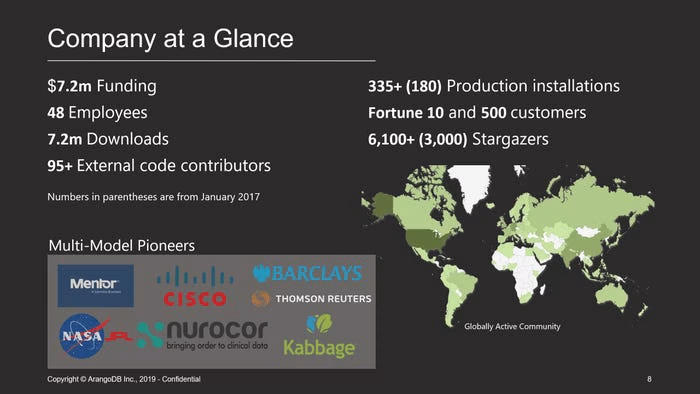
This is a decent slide. I have no idea what the Stargazers are. I’m nasal gazing presently.
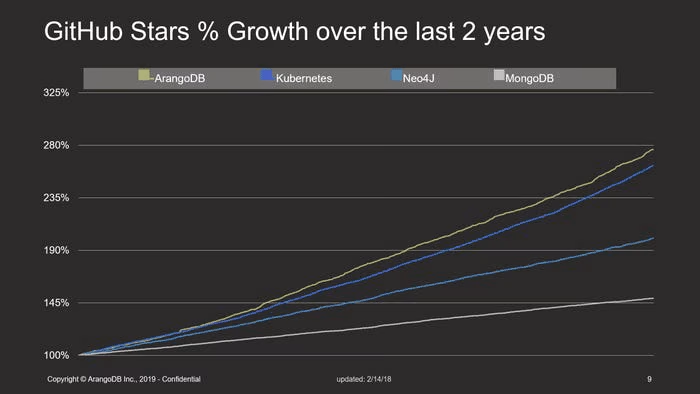
A better slide would add some basic commentary. Why not just add ArangoDB has the highest growth? It is cool they have data for 4 other comparables. Normally you can’t find this kind of stuff.
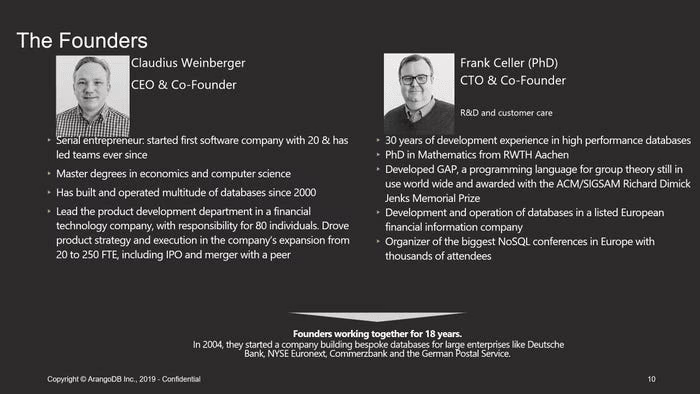
These guys look fairly serious. Again, the deck isn’t great but if you are serious then investors won’t nitpick. It’s only when you’re a kid who hasn’t proven anything that you need (read have) to pay a lot of attention to detail.
Would investors prefer a lovely, amazing deck? Sure, do they really care if they come across the right opportunity? Nah.
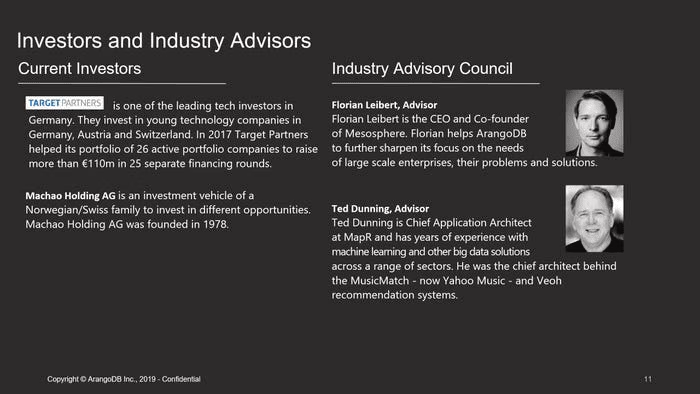
Not the best slide. The description of the current investors is a bit peculiar. I don’t like how they added a JPG logo.
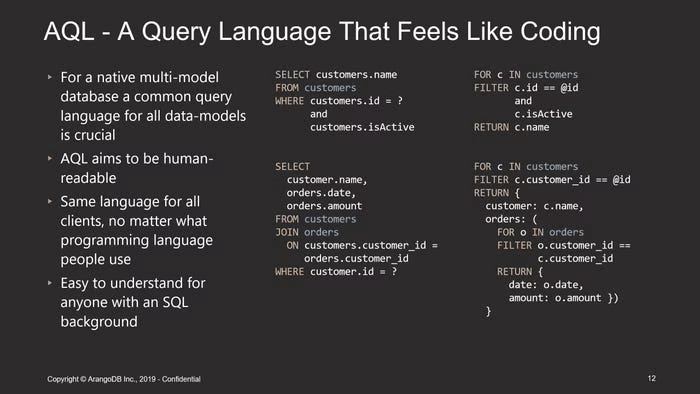
Ok, nerd slide. I don’t have an SQL background. Adding code is fine for a deck like this.
Eh, to be honest, the deck is what it is. The upside is that the founders clearly know what they are doing, the downside is they are crappy at showing it in a fancy PPT. Investors will choose the fancy founders over the fancy deck at any time.
Best in mind they aren’t building an ecommerce, D2C brand. The founders need to be good at nerdy shite, not making insane things seem cool.
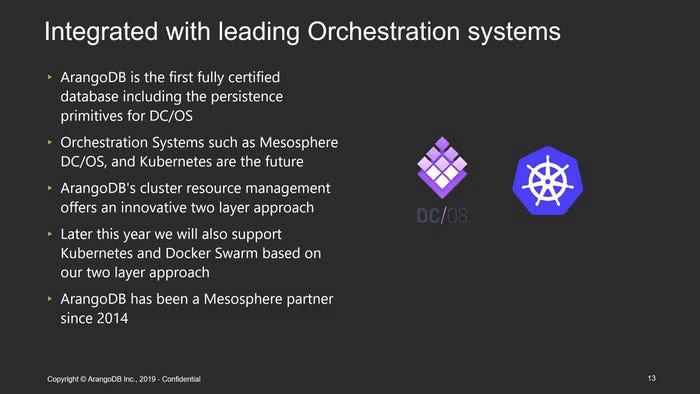
I hate walls of text. If investors are into this, then they will read it. It’s all nerd speak and there isn’t fluffy BS about how amazing they are. They’re just showing themselves off.
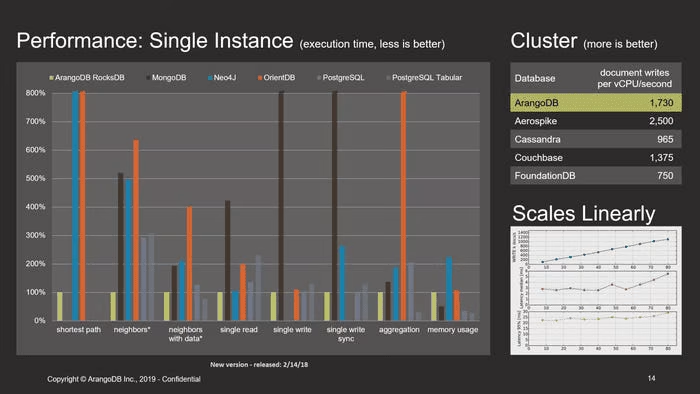
Notice “less is better”. I commented on another deck today and I had no clue if high or low numbers were good or bad. The founders are writing techy shizzle, but at least they have the wherewithal to add the necessary info for people to read the chart.
They do the same for Clusters. Hmm, why are they sorted by name and not write speed?
Scales linearly is a point. I presume they expect investors to understand it.
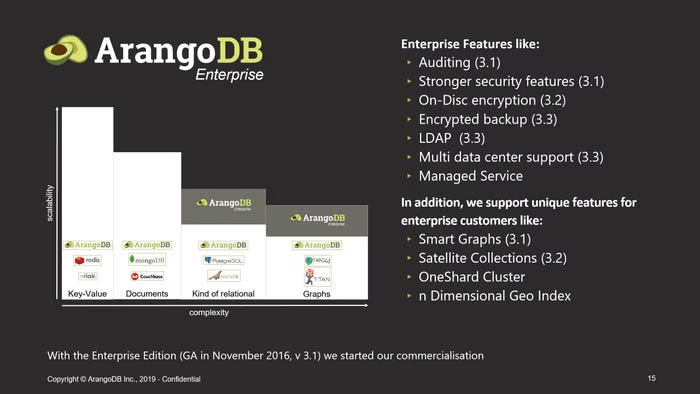
There is no header, there is a logo instead.
Golly the logos and the text on that ghetto landscape are tiny. This is an ugly slide.
For people who understand it, I’m sure it is interesting. I’m watching Ready Player One as I am writing this. Activate the Iron Giant!
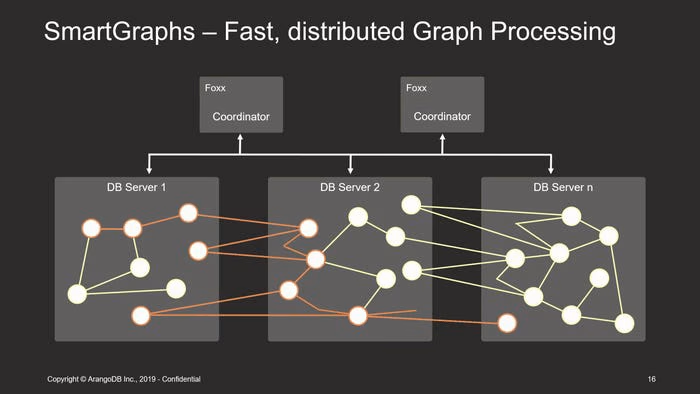
Nerd synapses!
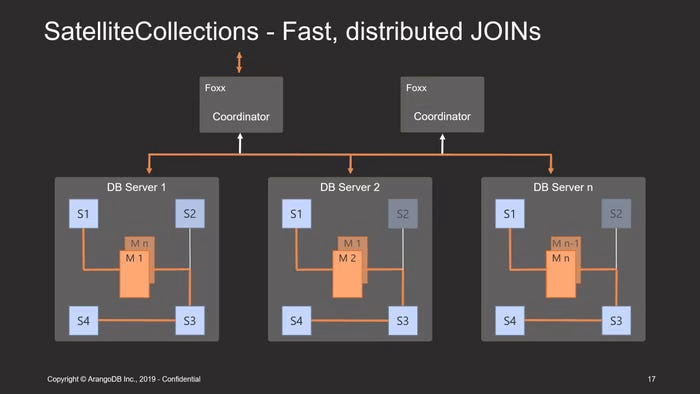
Boxes in boxes. Yup, I have nothing to add.
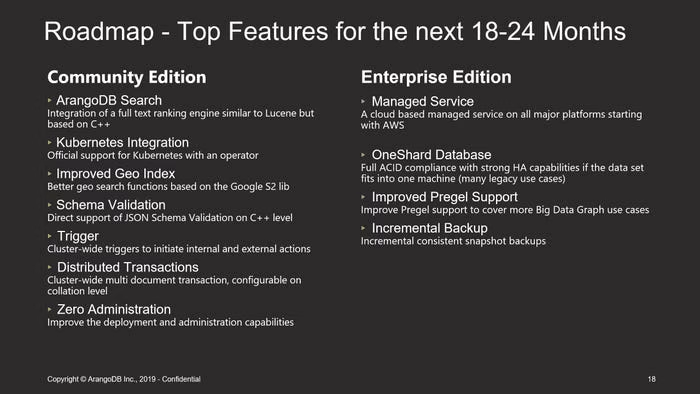
I mean, they have a roadmap and it is detailed. Most founders aren’t even sure who they plan on hiring- just saying.
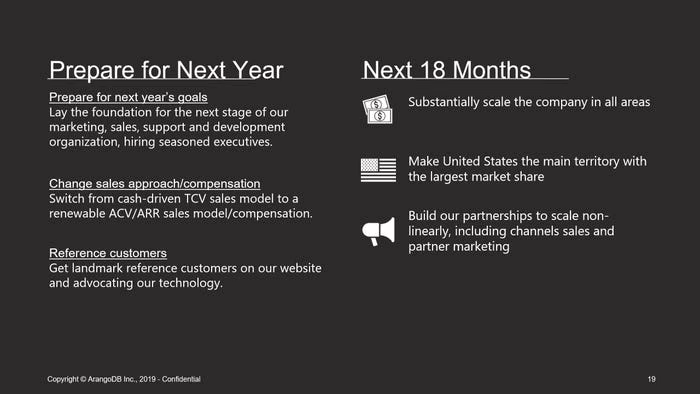
It’s fine, just wordy. If investors have got this far they are going to read it all.
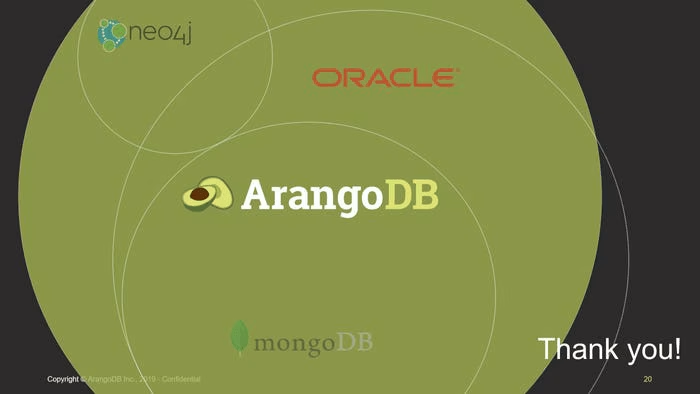
I don’t like ending slides like this.
Deck Collection
See the rest of the collection here:




Comments (0)
There are no comments yet :(