


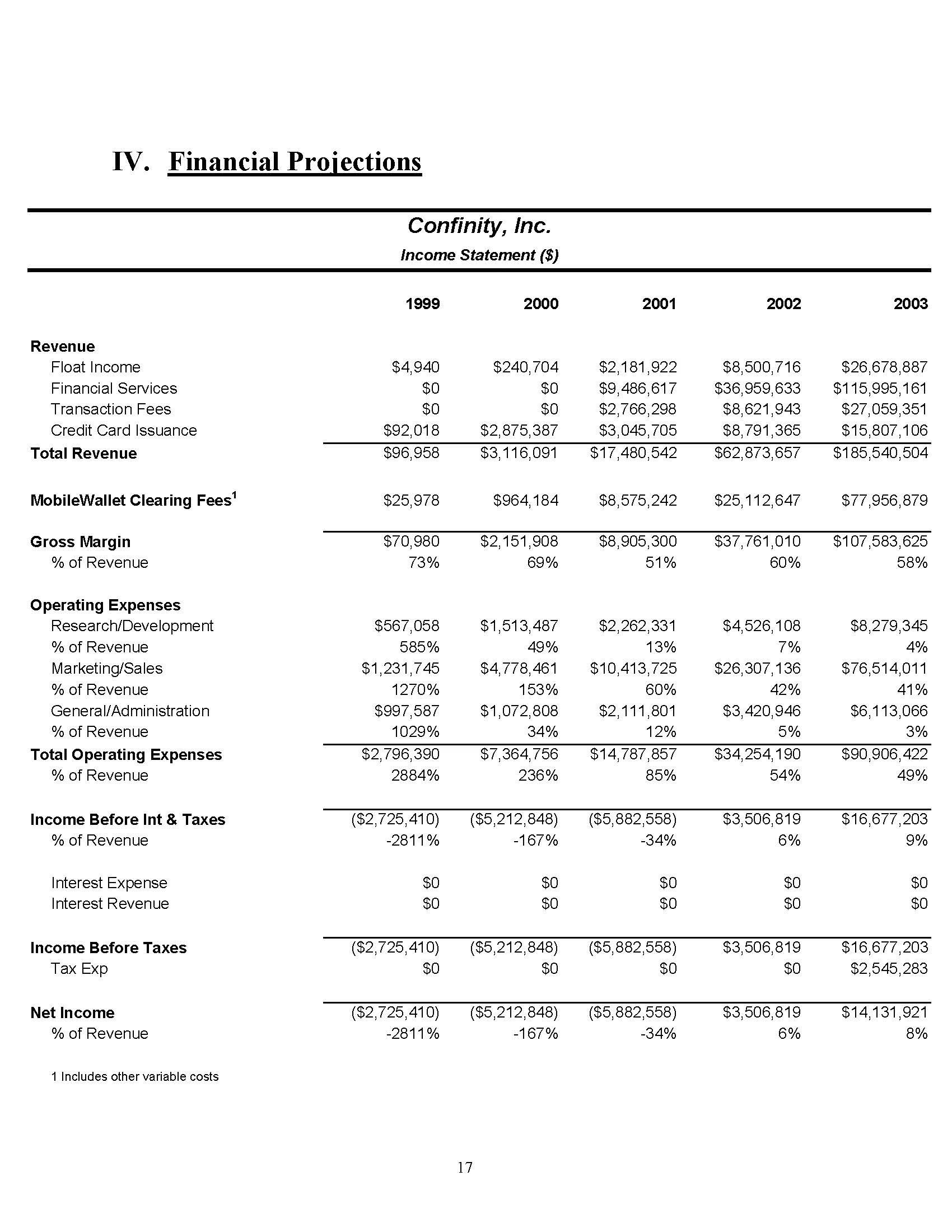
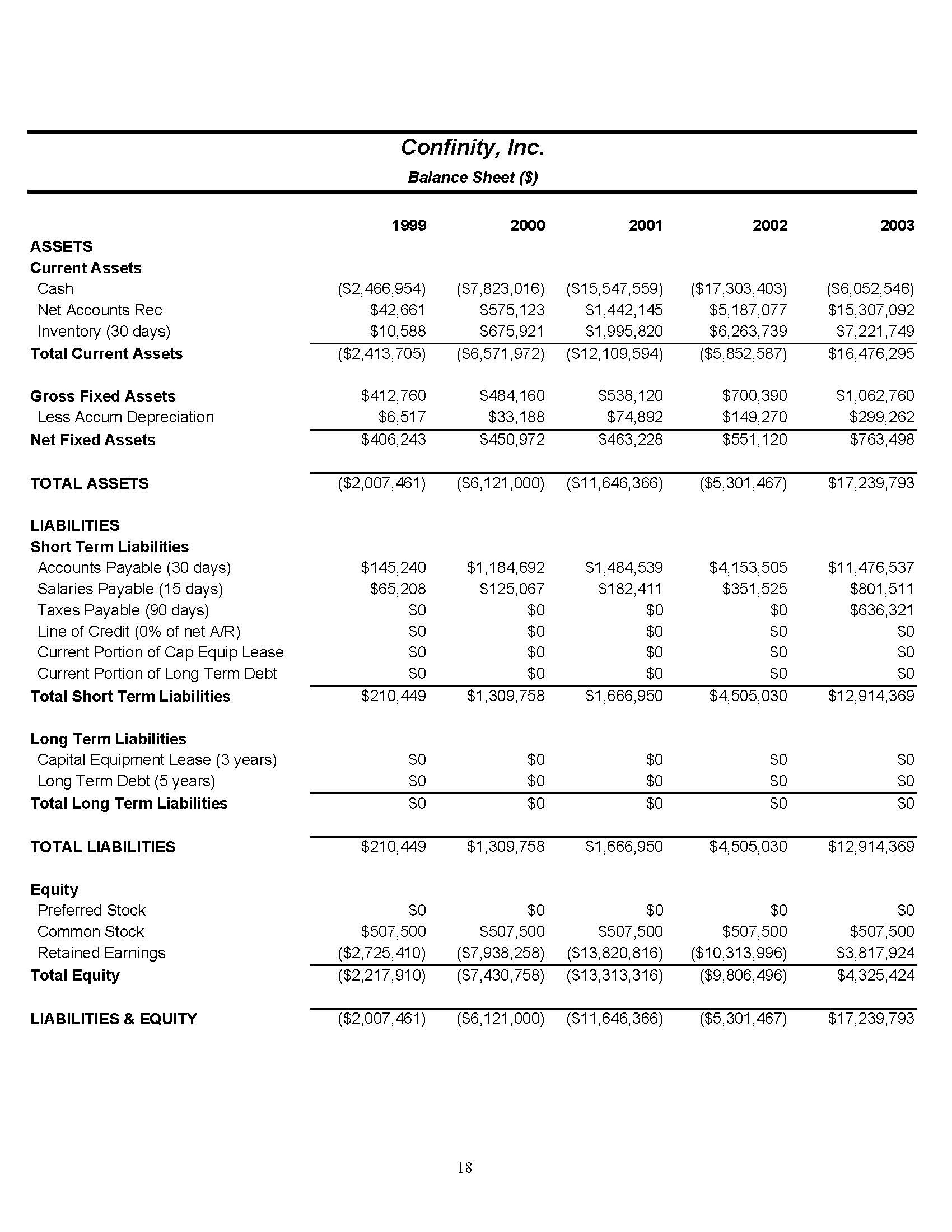
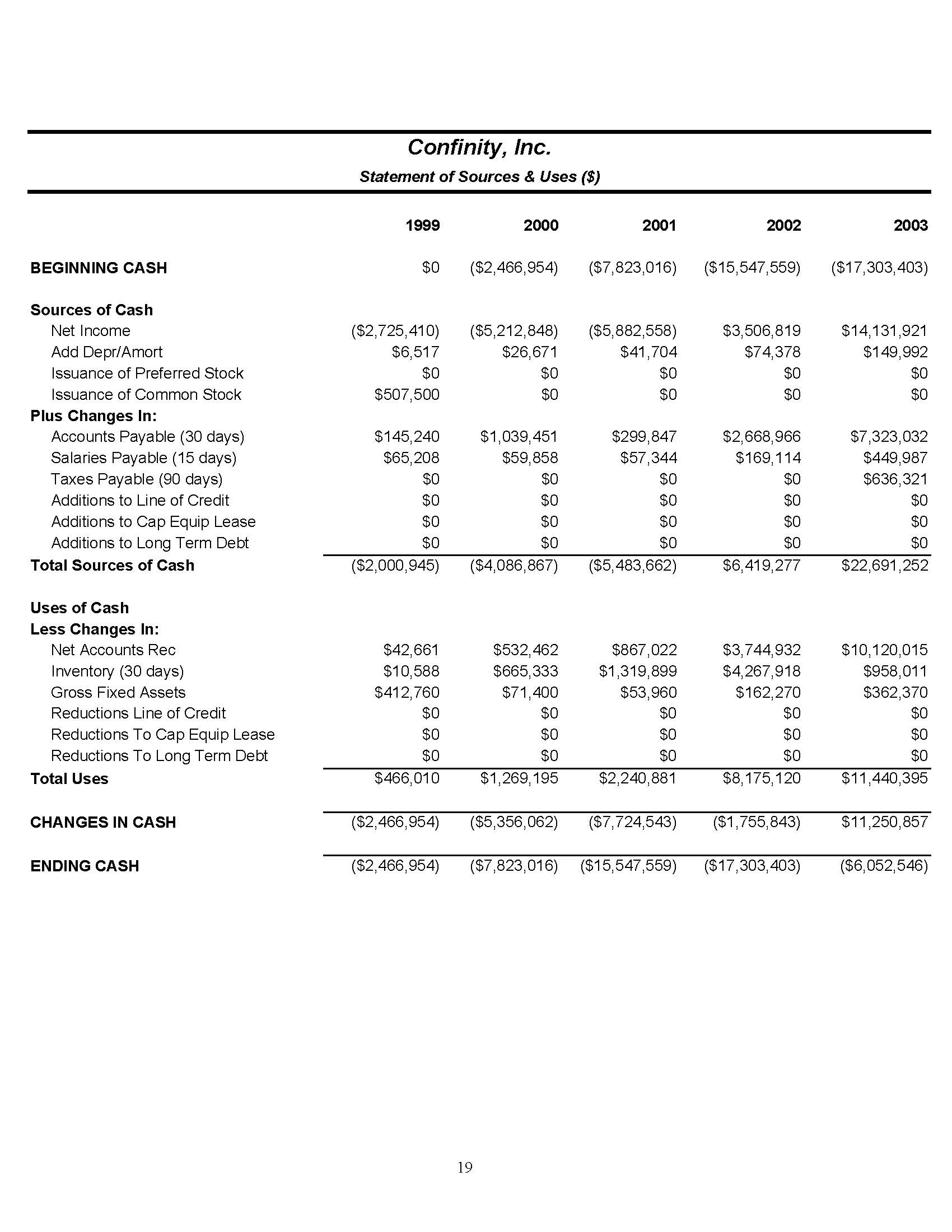
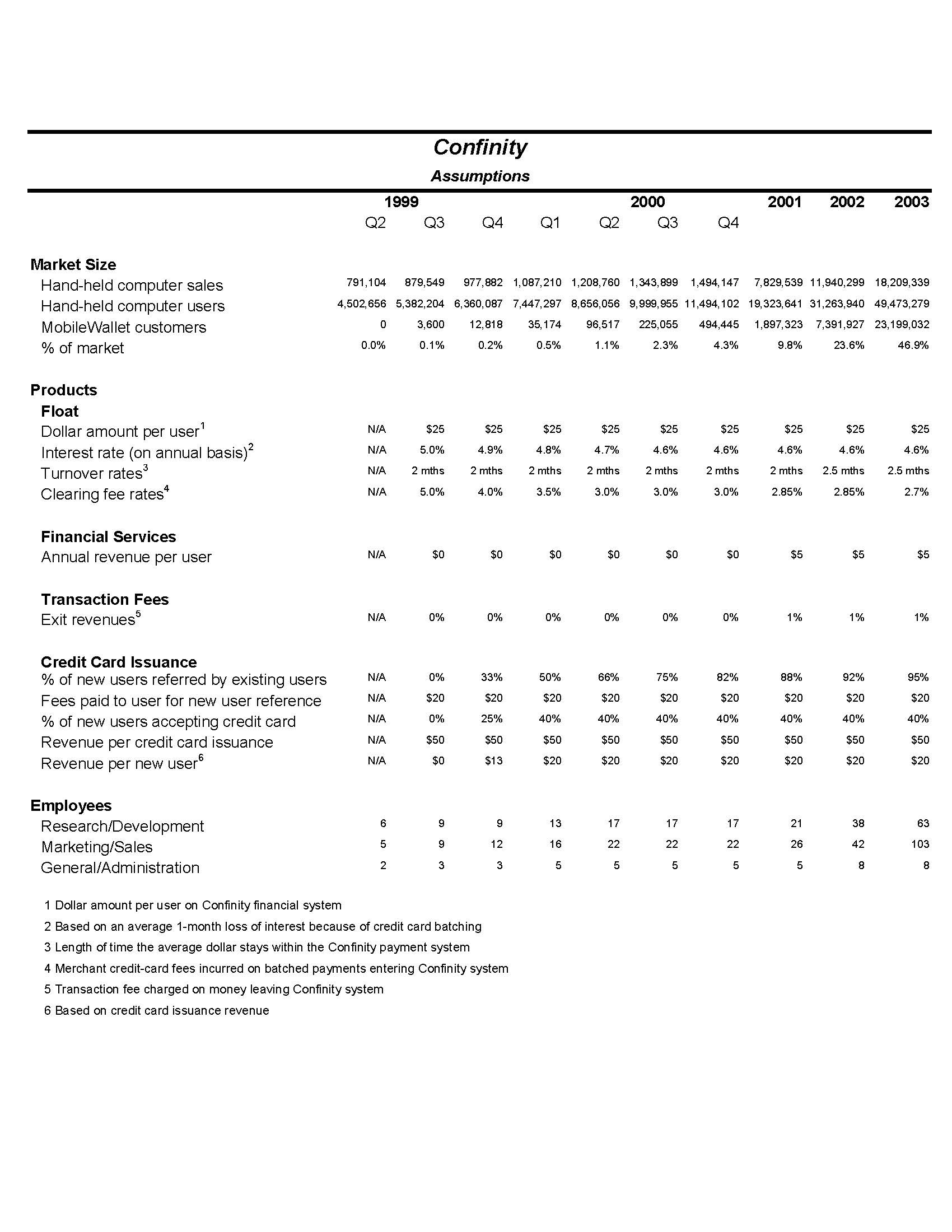
See the original Paypal (Confinity) business plan created in 1998 by Max Levchin and Peter Thiel.
Background on
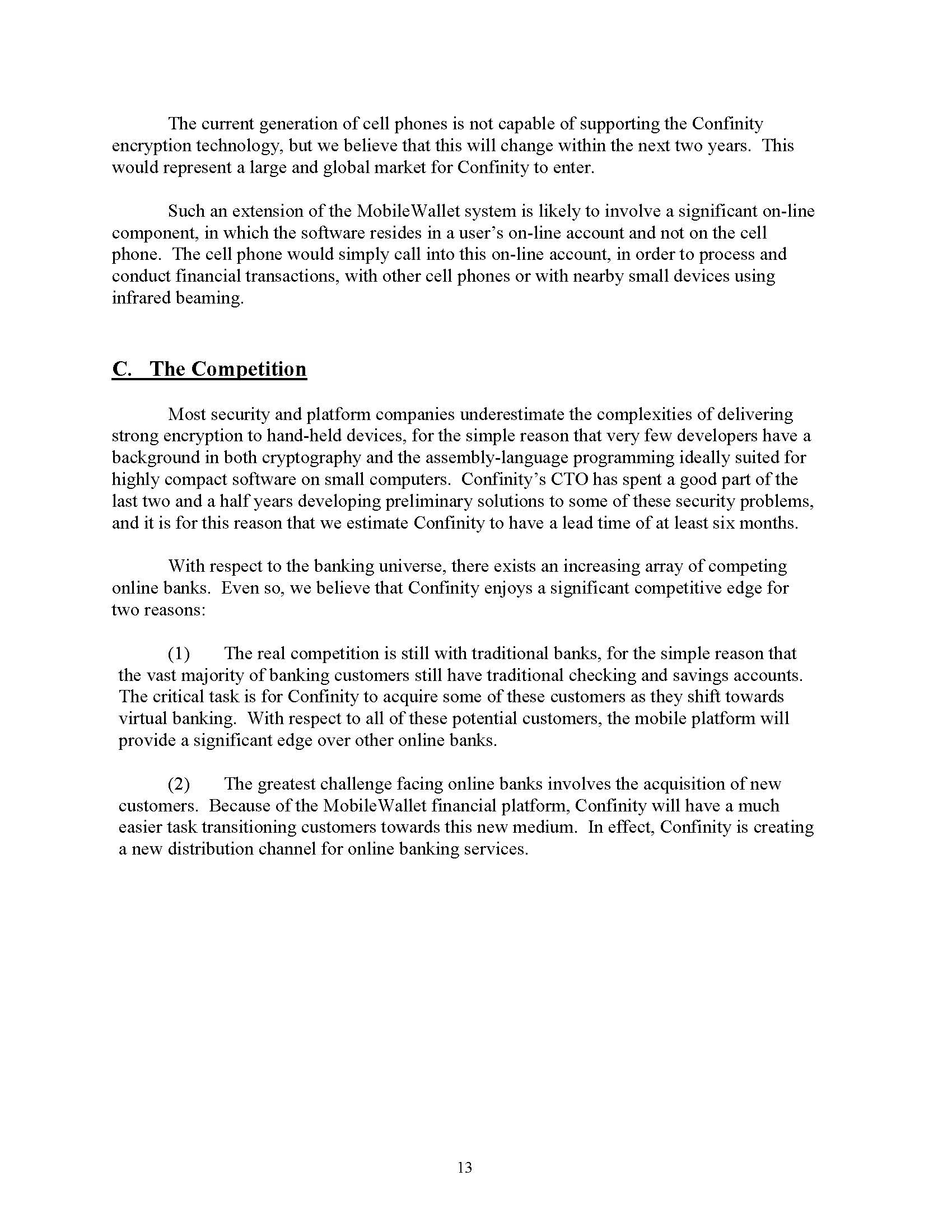
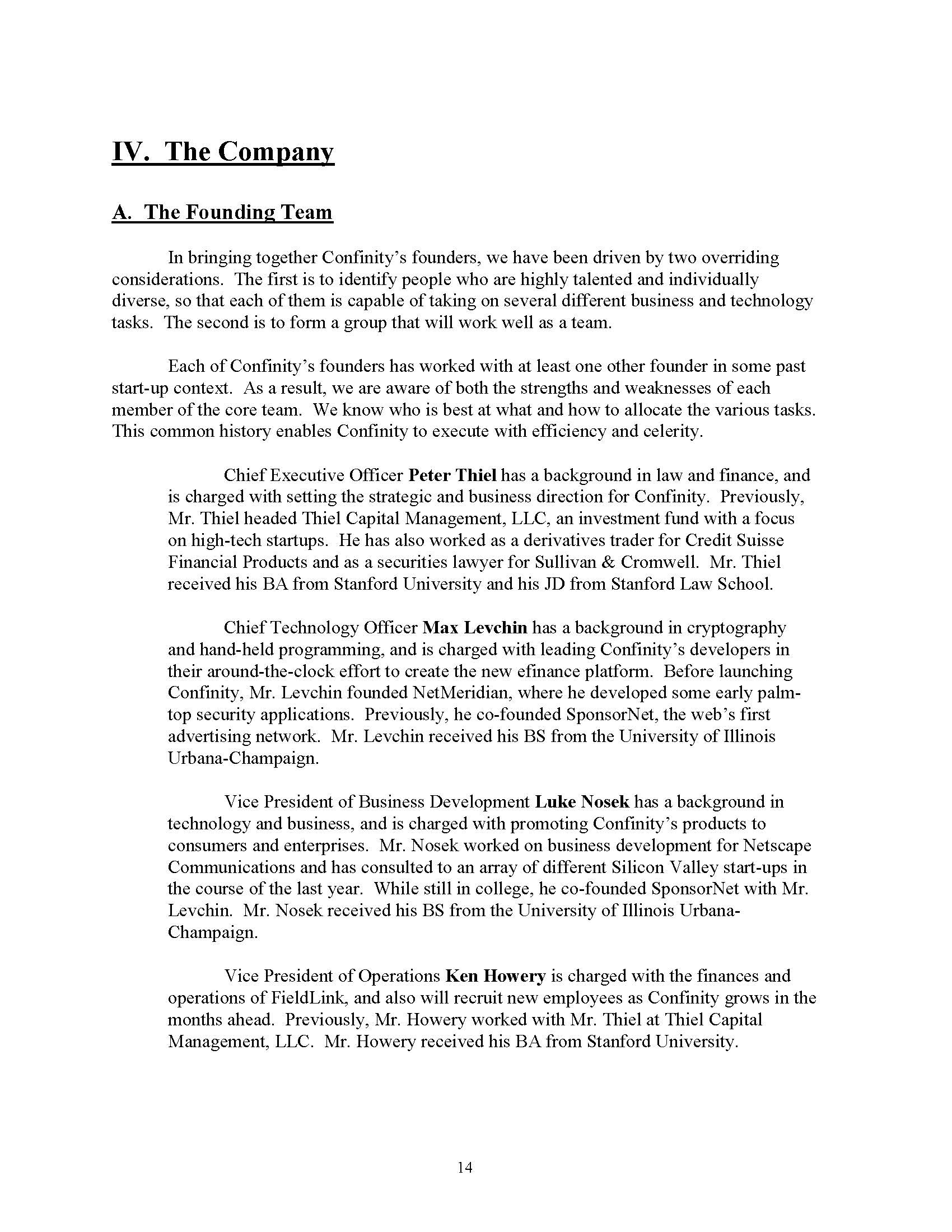
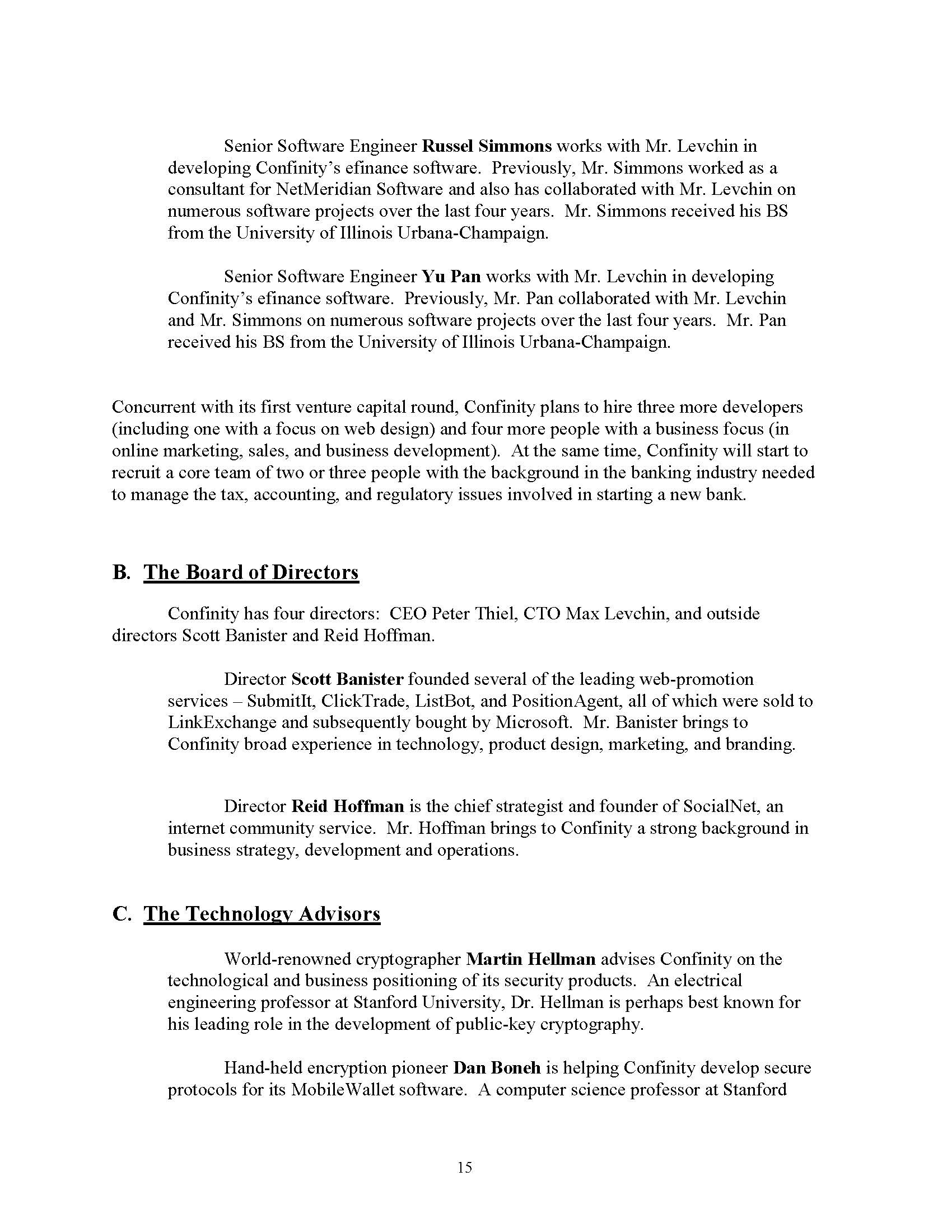
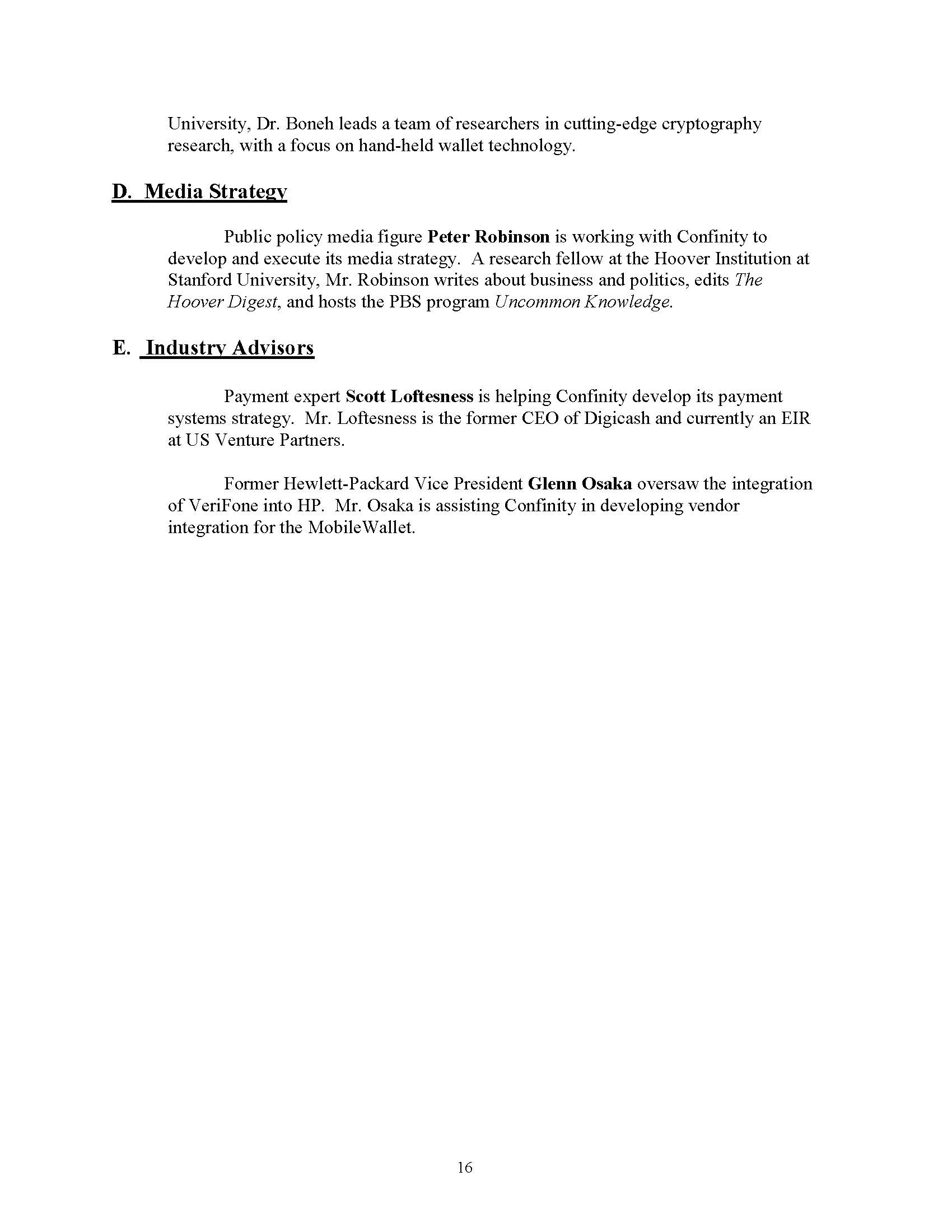
Confinity, founded in December 1998 by Max Levchin, Peter Thiel, Luke Nosek, and Ken Howery, is best known for developing PayPal. The initial business plan for Confinity centered around creating a software for handheld devices, specifically Palm Pilots, which were popular during that time.
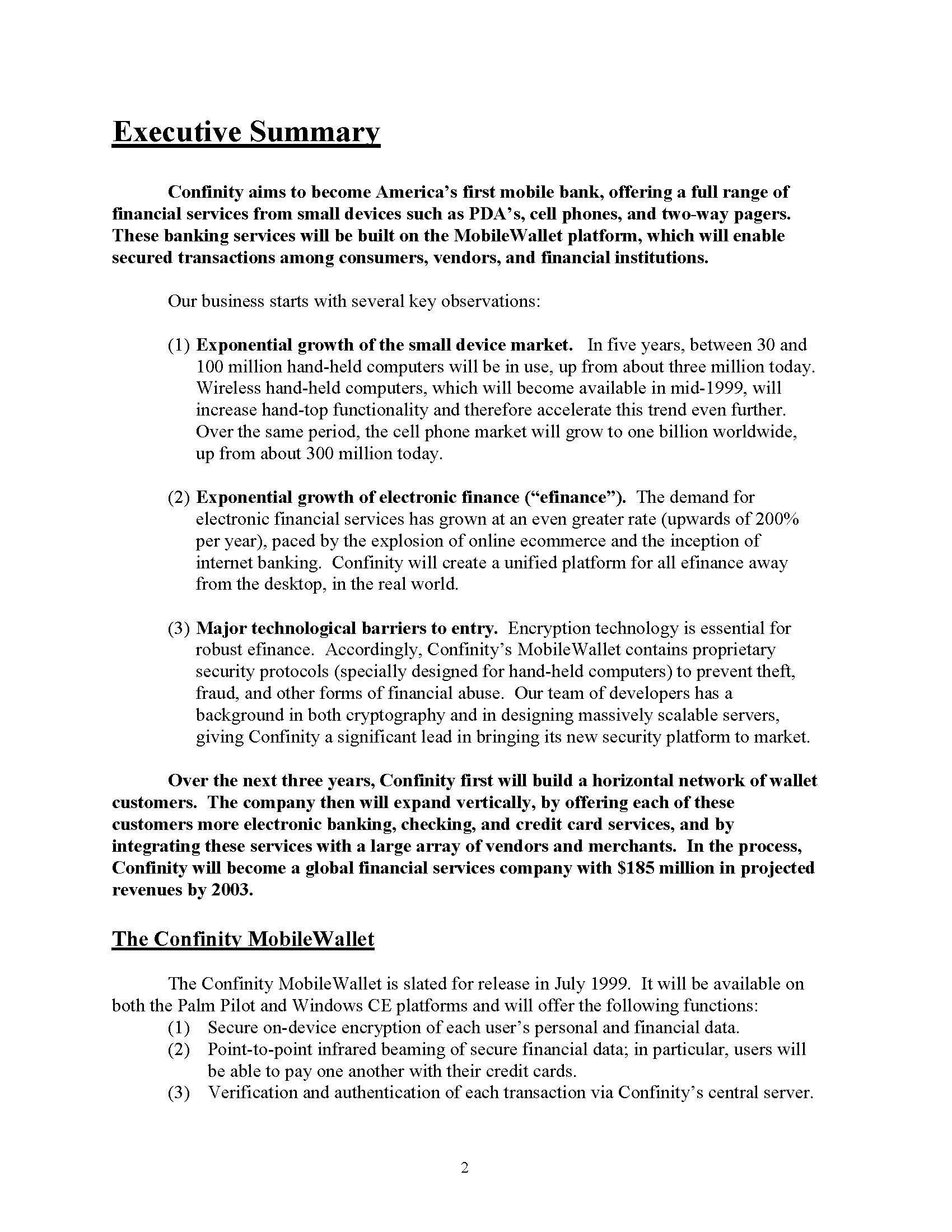
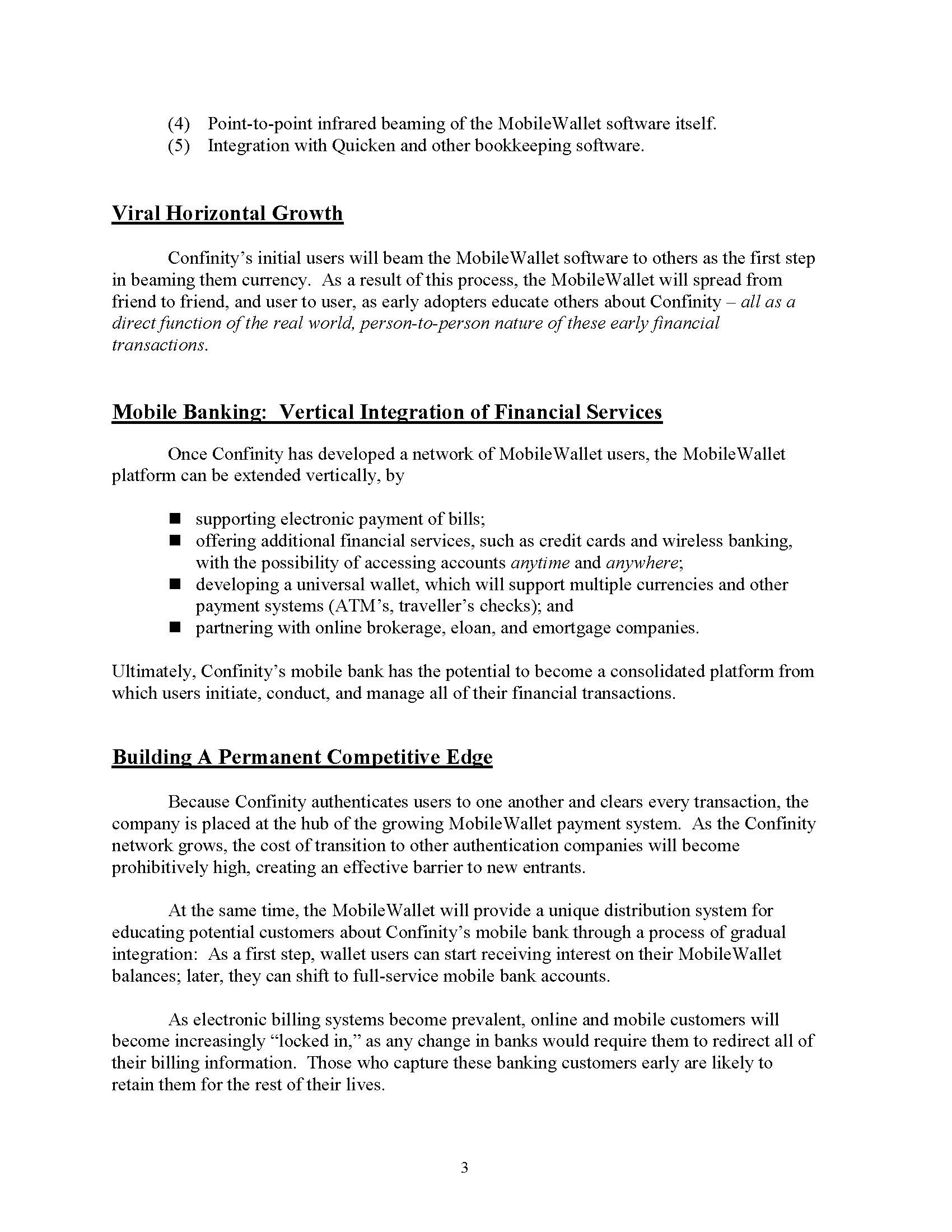
The core idea was to enable a secure and convenient way for people to transfer money electronically between these devices, essentially allowing for digital wallets. This was a novel concept at the time, aiming to solve the problem of making payments in situations where traditional methods like cash, checks, or credit cards were inconvenient or not feasible.
In 1999, under the guidance of Peter Thiel, who was also serving as the CEO, Confinity launched its money transfer service, which would later become known as PayPal. The service quickly gained traction for its simplicity and the ease with which users could send and receive money via email addresses. This was particularly revolutionary in the era preceding widespread smartphone adoption and mobile payment solutions.
The business plan and model evolved rapidly, especially after realizing the potential of the eBay marketplace as a fertile ground for their service. Many eBay transactions required buyers to mail checks to sellers, which was slow and cumbersome. PayPal offered a much faster and more secure alternative, and it didn’t take long for the service to become the preferred payment method among eBay users.
This focus on eBay users was a pivot from the original business plan but proved to be a pivotal strategy for PayPal’s growth. The company capitalized on this user base by offering easy integration of PayPal payment options for eBay auctions, which significantly accelerated its adoption and growth.
In March 2000, Confinity merged with X.com, an online banking company founded by Elon Musk. The merged entity initially focused on X.com’s financial services but soon shifted its full attention to the PayPal money transfer service, eventually rebranding the company as PayPal.
The evolution of Confinity from its original business plan to becoming PayPal demonstrates the flexibility and responsiveness of its founders to market needs and opportunities, laying the groundwork for what would become one of the most successful fintech companies in the world.
News article on Confinity
I found an article from 1999 that you might find interesting.
CAPITAL CONTAGION
Rodes Fishburne, Forbes ASAP, 11.12.99
A startup tries to crack the digital money problem by infecting the digerati.
Yes, yes, Peter Thiel, 31, knows he’s facing an uphill battle. His little startup, Confinity, is attempting to do what other startups have tried and failed to do-create “digital money.” But he and his partner, 24-year-old Max Levchin, have spent time studying where others went wrong and have come up with a fascinating business plan that mixes epidemics with economics.
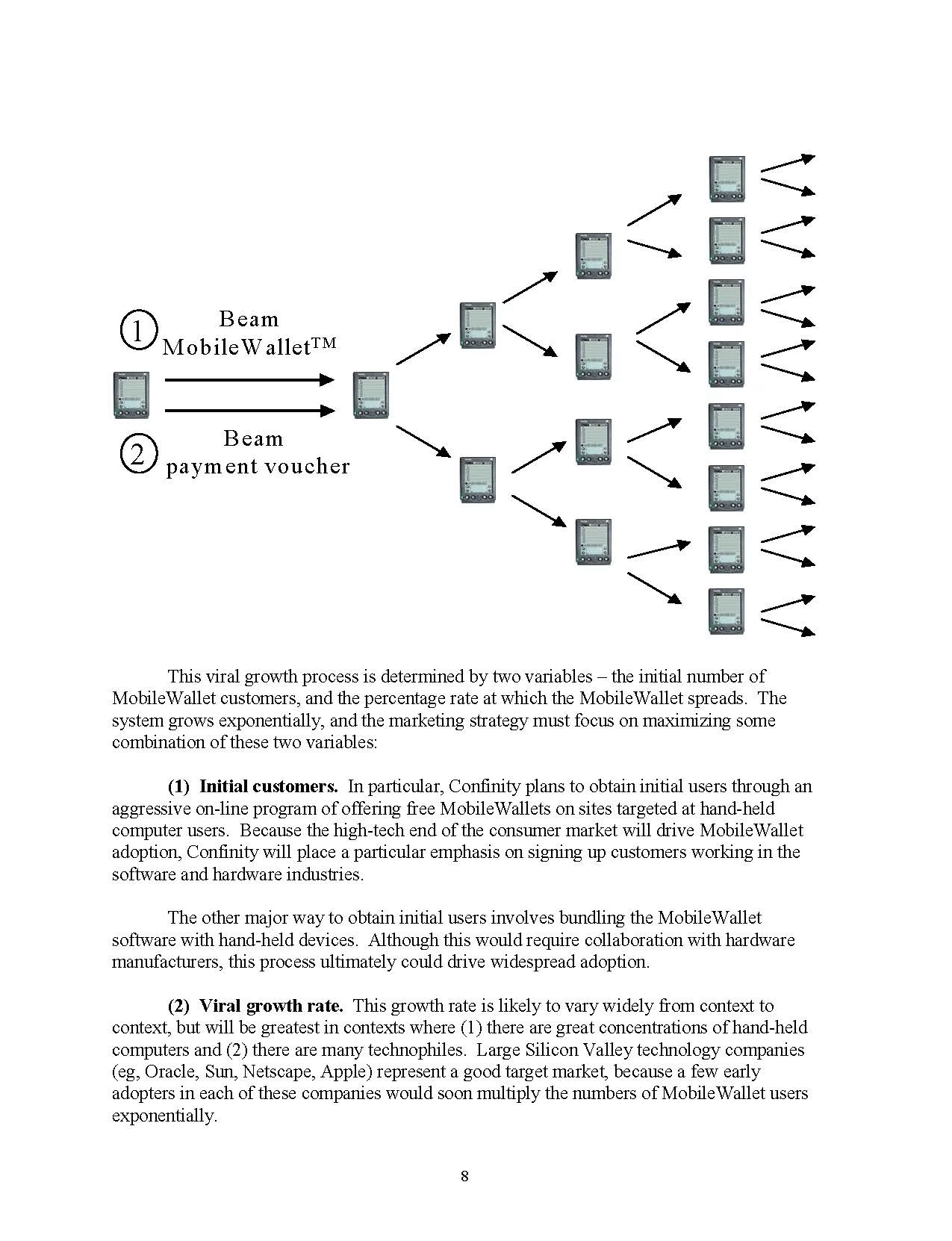
To build grassroots support among the most receptive buyers, the early adopters, Palo Alto-based Confinity plans to spread its digital money software, virus-style, among the growing platform of handheld devices. The company’s first target is the popular Palm PDA.
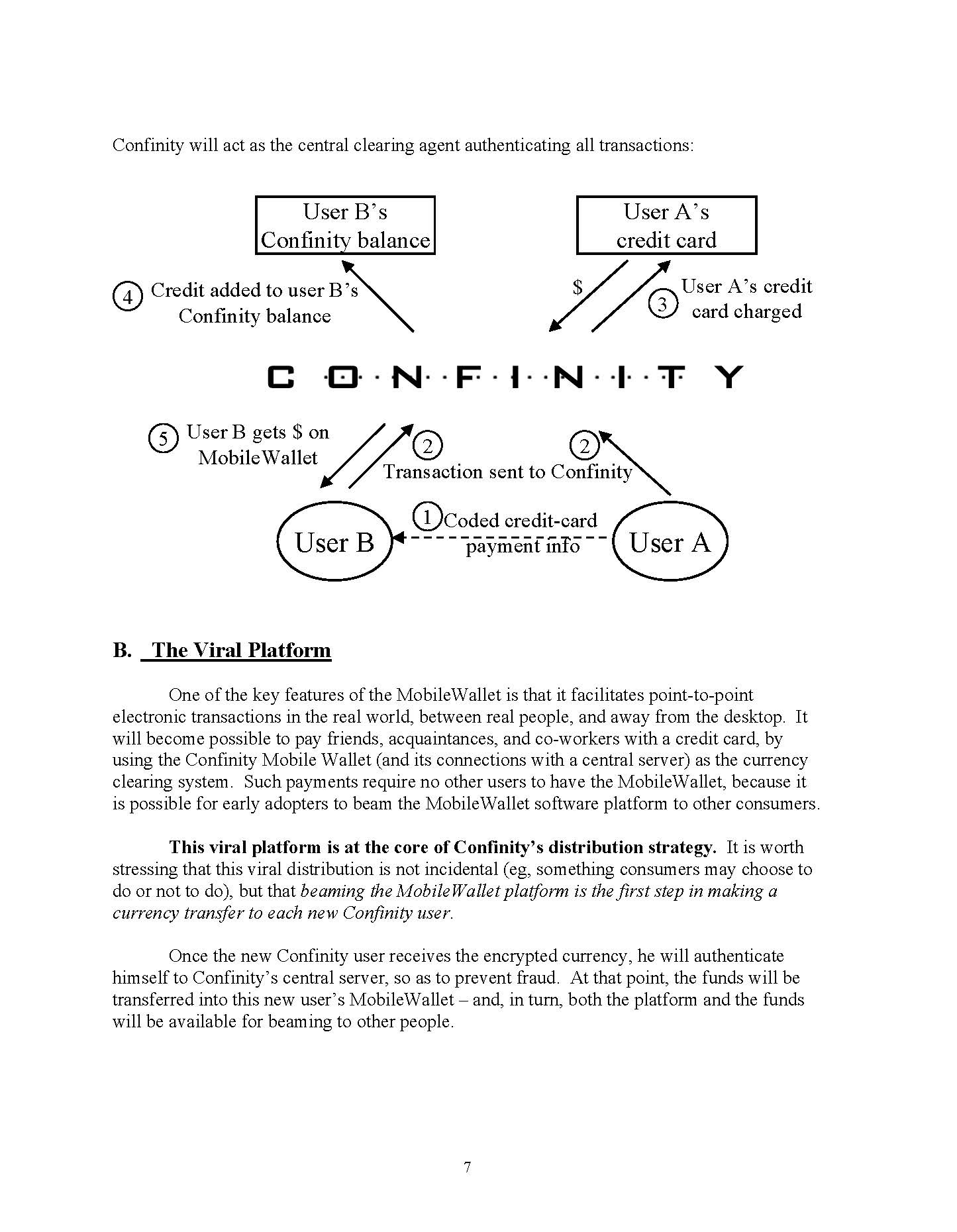
The money virus is a tiny, 100-kilobyte applet called PayPal that can be beamed, via an infrared port, in 20 seconds from one Palm to another. Once loaded, the gadget can accept digital, encrypted money transfers drawn on U.S. dollars in three quick seconds. To cash in the “beamed” dollars, users go to Confinity’s Web site and choose to be paid in one of three ways by credit card credit, mailed check, or direct deposit. The company is focusing on small, consumer-to-consumer payments, such as friends paying off Super Bowl bets, splitting the restaurant tab, or buying something from a classified ad, rather than as a solution for merchants to process payments (although merchants need only to be beamed the software to participate).
Last year these small, non-credit card payments added up to $100 billion, according to figures in eBay’s S1. Confinity hopes to capture a fraction of this market by signing up 1 million users by the end of 2000. The company’s main revenue stream, projected to be $3 million to $4 million by the end of 2000, will come from private-label Confinity credit cards as well as from transaction fees and the interest earned on the money residing in the users’ accounts.
Thiel defends his novel business model by pointing out that physical cash is viral by nature. “A $20 bill has a velocity of six-in the course of a year, six people will hold that money for an average of two months apiece. In the digital world we’d get new customers every time one of those people passed along the money,” he says. One of the VCs Thiel talked to was so intrigued by the model that he asked the Confinity team to go out and study epidemics.
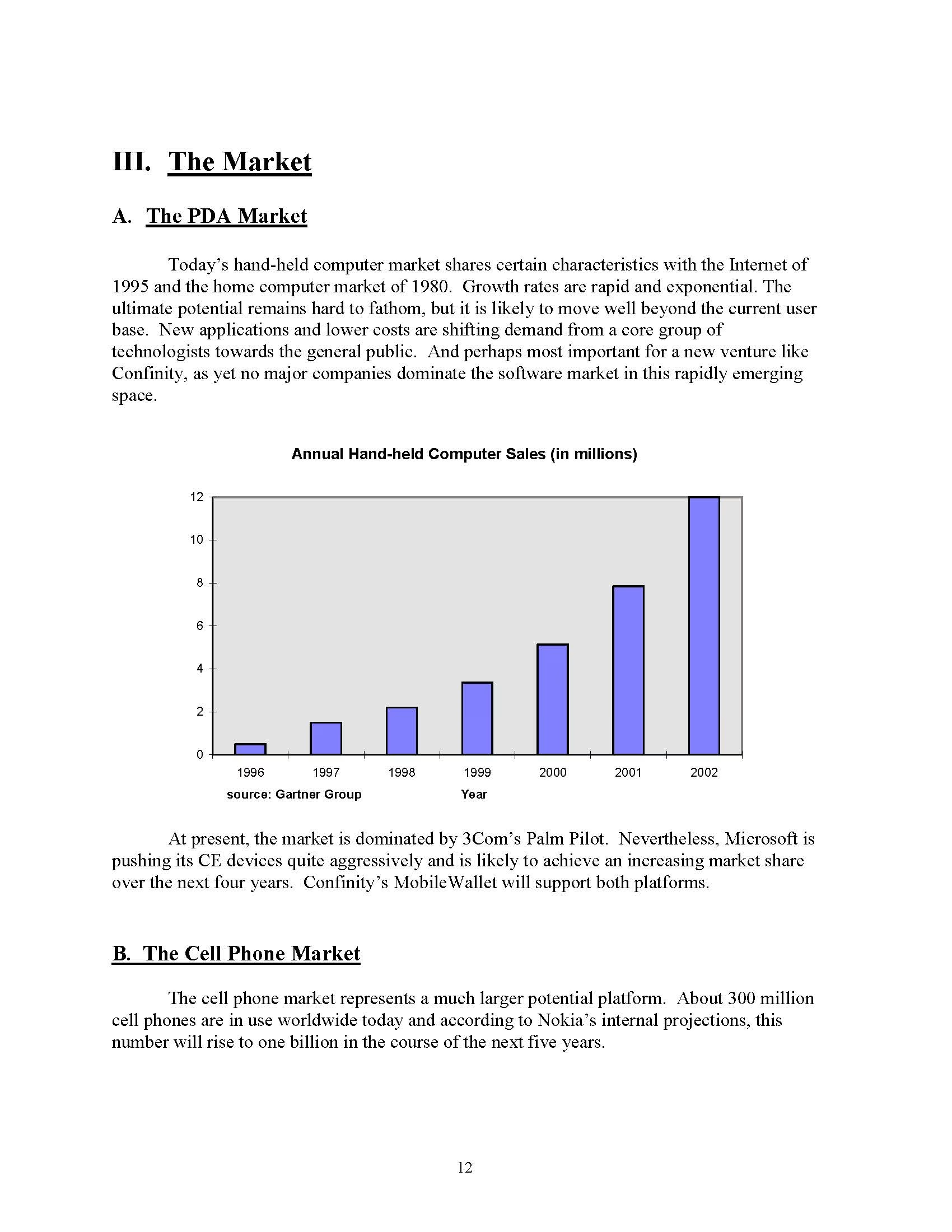
To increase the viral effect possible in a digital world, Thiel and his cohorts are smart to employ the popular Palm-the only PDA to reach best-seller status. To date, more than 5 million Palms have been shipped worldwide. By 2003 worldwide sales will be 5.3 million annually, according to Jill House, a research analyst at IDC. Thiel’s partner, Levchin, is keen to quot Jeff Hawkins, inventor of the Palm “He says the Palm is not a computer. It’s a window to your computer.” Adds Levchin, “What we’ve built is a window to your money.”
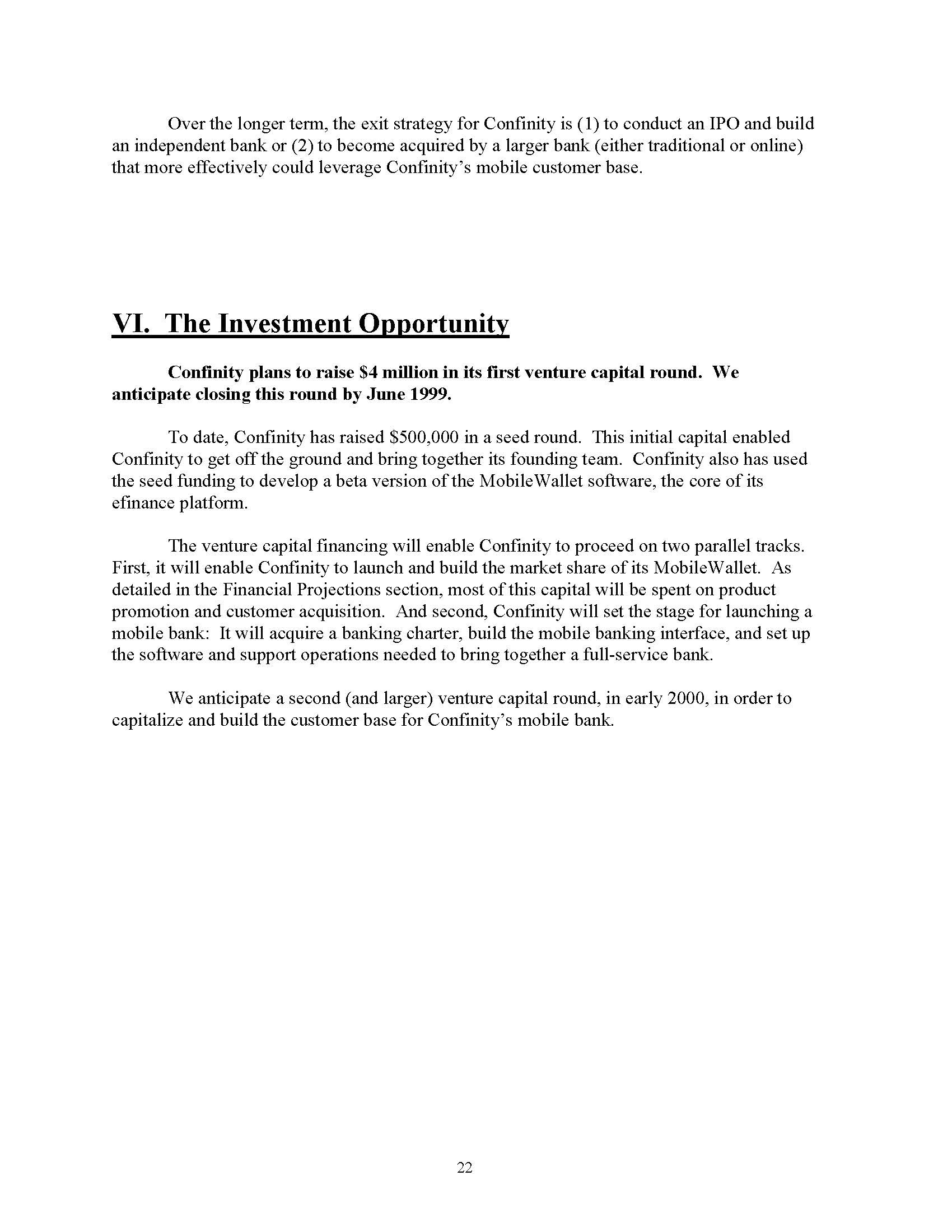
The company has several very big, very strong friends who are helping it keep that window wide open, notably, Nokia Ventures and Deutsche Bank Tech Ventures. Both were lead investors in the $4.5 million venture round the company closed in June 1999. Says John Malloy, a VC with Nokia Ventures, “This is not a West Coast-based Internet play. This is potentially a very large global phenomenon.”
Confinity’s viral business model is so unique that it’s difficult to gauge if it’s simply a “gee-whiz” technique or a bona fide stroke of business genius. One thing’s for certain, though By focusing on the consumer-to-consumer space, Confinity may have sidestepped the mistake made by the early digital money companies, which concentrated on the vendor end instead and tried to rope in merchants. DigiCash, an industry pioneer, filed for Chapter 11 last year, and CyberCash dropped its cybercoin concept, a way of aggregating small payments, earlier this year. In both cases the chicken-and-egg problem prevailed-there wasn’t enough critical mass on the consumer side to entice enough merchants to sign up, and vice versa.
Still, the biggest problem Confinity could face is winning consumer trust-the same kind of goodwill the banking industry has spent centuries developing and maintaining. Says Avivah Litan, a research director with the Gartner Group, “The problem they’re going to have is getting people to sign up and trust them. … People are averse to using a new kind of currency.” Thiel recognizes the 800-pound gorilla waiting to demolish his business. His biggest competitor, he admits, is the consumer loyalty to a cash-based system. “But,” he says, “the two things we’ve got going for us are cool and convenience.”
–Rodes Fishburne
Paypal Business Plan PDF
You can read the rest of the memo collection here:


Comments (0)
There are no comments yet :(